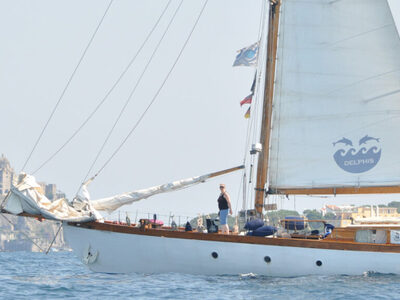
Conservazione e monitoraggio di balene e delfini in Italia
L'esperienza
Identificare le aree critiche dei cetacei è l'obiettivo principale del progetto. Aiutaci con la registrazione comportamentale e acustica di balene e delfini, gli avvistamenti, l'identificazione fotografica e le riprese. Aiuta l'equipaggio con i compiti quotidiani, tra cui fare la spesa, lavare i piatti e la manutenzione generale della barca.
Sali a bordo della nostra barca per un'avventura in alto mare con numerose opportunità di apprendimento!
Questa è un'opportunità unica per conoscere meglio i cetacei e stare in contatto con la natura!
Cosa offri
25 ore di aiuto per settimana
Cura degli Animali:
Aiuta a prenderti cura degli animali.
Lavoro sociale:
Aiuta con lavoro volontario in progetti e comunità locali.
Costo aggiuntivo richiesto
Importo:
€ 900
A settimana
Il costo copre:
Benefici per i viaggiatori e Donazione al progetto
Descrizione:
The research project is almost exclusively supported by the financial contribution of project participants. The money you pay to participate in the program will be used to cover the project running costs (fuel for the boat, equipment, upkeep, etc.).
*Plus 150 Euros per week for for fuel and food*
Cosa ottieni
2 giorni liberi a settimana
Dormitorio condiviso:
Avrai un letto in una camera condivisa, il che significa che condividerai la stessa stanza con altri viaggiatori.
Usa la nostra cucina attrezzata:
Sentiti libero di utilizzare la nostra cucina e preparare il tuo delizioso cibo.
Certificato:
Ottieni un certificato di completamento dopo che termina la tua esperienza.
Requisiti
Intermedio Italiano o Intermedio Inglese
Più di 18 anni
Accoglie volontari singoli, coppie e partner di volontari
Cosa non è incluso
Voli, assicurazione di viaggio, trasporti interni e visto
Dettagli del programma
Arrival Day: Boarding takes place every Monday at 4:00 PM. On arrival day, there are no sea outings, and researchers are on board to welcome participants. Participants are encouraged to familiarize themselves with the boat and the surroundings and can take the opportunity to rest after the long journey on one of the beaches near the port. Once all participants are on board and settled, introductions are made, and all onboard living and safety rules are explained. Detailed explanations about the project, research (study area, present species, and their biology, etc.) follow.
Cetacean Monitoring Outings: Participants live aboard the research vessel, which primarily sails. During the stay, days are dedicated to research activities, and each participant contributes to fieldwork. Sea outings occur daily (excluding arrival and departure days). Routes are planned to cover the entire study area
Attività e turni
Participants and researchers commit to observation duties in watch shifts, with two observers alternating in one-hour shifts to report the presence of marine life; in addition to whales and dolphins, sightings of sea turtles, tunas, swordfish, sunfish, rays, schools of fish, and seabirds are recorded. The acoustic system is capable of detecting dolphin sounds within a radius of about 3 miles: when a signal is detected, it is possible to determine the direction and approach the animals. At night, we usually return to the dock in the port. Sometimes, we spend the night anchored in the bay, and if the research requires it, we may also spend the night at sea.
Regole
We remind you that life on board a sailing vessel is a choice: a simple, communal, and eco-compatible lifestyle conserving energy and resources.
There is very little privacy, even behind the curtains of the cabins.
Nevertheless, the spaces are large enough, and the sea and the sky will offer you unlimited horizons; each watching shift will give you the possibility to taste the peace of sailing.