Some of this content is in its original language. Translate
Learn Tanzanian Cooking & Cultural Exchange in Kilimanjaro
The experience
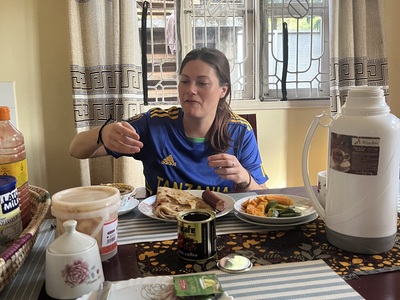
Join Kilimanjaro Volunteer Ventures for a unique cultural immersion experience through food. Learn to prepare authentic Tanzanian and Chagga dishes, visit local markets, discover traditional ingredients, and share recipes from your own culture. Connect with local families, explore food traditions, and gain hands-on cooking experience while enjoying meaningful cultural exchange in the beautiful Kilimanjaro region of Tanzania.
What you offer
18 hours of help per week
Cooking:
Choose the menu, pick ingredients and cook delicious dishes.
Additional fee required
Amount:
US$ 5
Per day
Fee pays for:
Materials for volunteer activities
Description:
The USD 5 daily contribution is used to purchase ingredients and materials for cooking activities and cultural exchange sessions. It helps support hands-on learning experiences, traditional Tanzanian food preparation, and community-based cultural activities throughout the program.
What you get
3 days off per week
Shared Dorm:
You will have a bed in a shared room, which means you will share the same room with other travelers.
Tent:
You will sleep in a tent at a camping site.
Breakfast:
You are entitled to a free breakfast, every day of your stay.
Dinner:
You are entitled to a free dinner, every day of your stay.
Discounts on Parties:
Get discounts at nearby parties and clubs.
Discounts on Restaurants:
Get discounts at nearby restaurants.
Discounts on Pubs:
Get discounts at nearby pubs.
Discounts on Drinks:
Get discounts for drinks and beverages from our bar.
Discounts on Tours:
Get discounts for tours and excursions around town.
Discounts on Accommodation:
Get discounts for your stay in other hostels.
Language lessons:
Take free language classes at our place.
Permaculture Course:
Take part in our Permaculture course for free.
Use our equipped kitchen:
Feel free to use our kitchen and make your own delicious food.
Certificate:
Get a certificate of completion after you finish your experience.
Fast Internet Access:
High-speed internet for you to work remotely
Dedicated Workspace:
Specific space for you to work remotely
Requirements
Intermediate English or Intermediate English
Welcomes solo volunteers, couples, and partners of volunteers
What's not included
Flights, Travel Insurance, Internal Transportation and Visa
Program Details
Join Kilimanjaro Volunteer Ventures for an authentic cultural exchange experience centered around Tanzanian food traditions. This program offers volunteers the opportunity to learn how local meals are prepared, explore traditional ingredients, visit local markets, and engage with community members through food. Participants will gain hands-on experience in Tanzanian and Chagga cooking while sharing their own culinary traditions and cultures with others. No professional cooking experience is required-just curiosity, enthusiasm, and a willingness to learn.
Activities & Shift
Visiting local markets to learn about Tanzanian ingredients, spices, fruits, and vegetables.
Assisting in the preparation of traditional dishes such as Ugali, Pilau, Chapati, Ndizi, Maharage, and local vegetable recipes.
Learning food preparation techniques used in Tanzanian households.
Helping organize cooking demonstrations and cultural exchange sessions.
Sharing recipes and cooking traditions from their home countries.
Assisting with meal preparation during community gatherings and special events.
Documenting recipes, cooking methods, and cultural experiences through photos, videos, or writing.
Schedule: Approximately 4–5 hours per day, 5 days per week. Activities are generally conducted during morning and afternoon hours, with flexibility depending on planned cooking sessions and community events.
This program is designed to promote cultural understanding, learning, and meaningful connections through the universal language of food.
Rules
Respect local customs, traditions, and cultural values.
Maintain a positive and cooperative attitude toward fellow volunteers and community members.
Follow food hygiene and kitchen safety guidelines at all times.
Inform coordinators in advance if you are unable to attend a scheduled activity.
Help keep cooking and common areas clean and organized.
Avoid excessive alcohol consumption during program activities.
Ask permission before taking photos of community members or private activities.
Treat everyone with kindness, respect, and cultural sensitivity.