Some of this content is in its original language. Translate
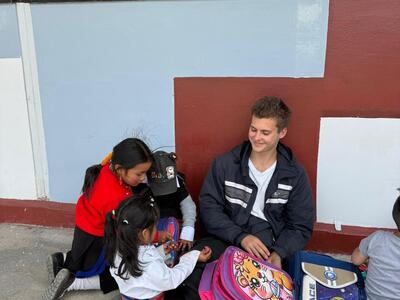
Teach English in the indigenous community of Salasaka, Ecuador.
The experience
Katitawa was an independent primary school founded in 1977 in the indigenous village of Salasaka, Ecuador. Although the school later closed, it now supports the community by offering English classes to children, youth, and adults. The project helps young people access language learning opportunities that are often too expensive for many local families, promoting education, cultural exchange, and community development.
What you offer
15 hours of help per week
Teaching Sports:
Teaching or assisting the host, guests, or local communities in practicing sports or physical activities.
Social Work:
Help with volunteer work in local projects and communities.
Teaching Languages:
Teaching a language to the host, guests, or local communities.
Additional fee required
Amount:
US$ 50
Per week
Fee pays for:
Benefits for travelers, Materials for volunteer activities, and Donation to project
Description:
Volunteers pay $50 per week, which is used to buy food at the local market to cook meals for the whole week, as well as to cover electricity, internet, gas, rent, and taxes. Part of the money is also saved to support future vacation programs and seasonal activities organized by the foundation for local children and the community.
What you get
3 days off per week
Private Room:
You will have a bed in a private room. In other words, a room just for you.
Shared Dorm:
You will have a bed in a shared room, which means you will share the same room with other travelers.
Breakfast:
You are entitled to a free breakfast, every day of your stay.
Lunch:
You are entitled to a free lunch, every day of your stay.
Dinner:
You are entitled to a free dinner, every day of your stay.
Free Laundry:
You can use our laundry room freely.
Free Parties:
Get free entrance for the best parties in town.
Free Events:
Get free entrance for the best events in town.
Language lessons:
Take free language classes at our place.
Use our equipped kitchen:
Feel free to use our kitchen and make your own delicious food.
Basic Internet Access:
Basic speed internet for you to work remotely
Dedicated Workspace:
Specific space for you to work remotely
Requirements
Fluent English or Beginner Spanish
Between 18 and 80 years old
Welcomes solo volunteers, couples, and partners of volunteers
What's not included
Flights, Travel Insurance, Internal Transportation and Visa
Program Details
olunteers help teach English to children, teenagers, and adults in the indigenous community of Salasaka, Ecuador. During vacation months, volunteers usually teach 3–4 hours a day from Monday to Thursday. During the school season, volunteers support English teachers in a local community school in the mornings as teaching assistants. If volunteers wish, they can also offer one or two additional hours of English classes in the afternoons. Social support activities may also take place depending on the schedule and the needs of the community. Volunteers have Fridays, Saturdays, and Sundays free to explore and discover Ecuador while experiencing the culture and traditions of the Andes.
Activities & Shift
Assist in English classes for children, teenagers, and adults
Support local English teachers during school hours
Help prepare simple educational activities and games
Practice conversational English with students
Participate in community or social support activities when needed
Share cultural exchange activities with the community
Shifts
During vacation months, volunteers usually teach 3–4 hours per day from Monday to Thursday.
During the school season, volunteers assist English teachers at a local school in the mornings. Depending on the volunteer’s availability and interest, 1–2 additional hours of English classes can be organized in the afternoons.
Schedules may vary according to community activities and special events. Volunteers have Fridays, Saturdays, and Sundays free to travel, rest, or explore Ecuador.
Rules
* Respect the local culture, traditions, and community members
* Remember that you are living in an indigenous community with different customs, values, and a strong sense of sharing and community life
* Be responsible and committed to scheduled activities
* Keep shared spaces clean and organized, especially the house where you live
* Be respectful and responsible with the volunteer house, as it is a family home and should be cared for as if it were your own
* Inform coordinators in advance if you cannot attend an activity
* No excessive alcohol or drug use inside the volunteer house or in front of students
* Respect quiet hours and other volunteers’ rest time
* Participate with a positive attitude and openness to cultural exchange
* Volunteers are expected to help maintain a respectful and supportive environment for everyone