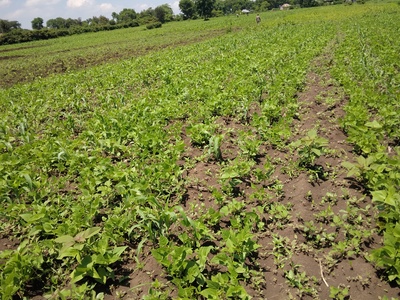
“Plant Seeds of Hope: Join Our Community Farming Initiative
The experience
From January 2026, with the right tools and support, we hope to launch a vibrant community farming project focused on horticulture, maize, and beans. This initiative is designed to create a sustainable source of food and income for local families. The funds generated will help pay school fees for vulnerable children and support other urgent community needs. By volunteering with us, you will work hand in hand with local families, share knowledge
What you offer
5 hours of help per day
Farming:
Plant crops, sow seeds and help in outside tasks.
Gardening:
Help grow plants and cultivate gardens
Additional fee required
Amount:
US$ 5
Per day
Fee pays for:
Benefits for travelers, Materials for volunteer activities, and Donation to project
Description:
Volunteers contribute 5 dollars per day to cover expenses for food, maintenance or financing our organisation
What you get
2 days off per week
Shared Dorm:
You will have a bed in a shared room, which means you will share the same room with other travelers.
Breakfast:
You are entitled to a free breakfast, every day of your stay.
Dinner:
You are entitled to a free dinner, every day of your stay.
Free Events:
Get free entrance for the best events in town.
Bikes at your disposal:
You can use our bikes any time you want.
Dance classes:
Take free dance classes at our place.
Language lessons:
Take free language classes at our place.
Use our equipped kitchen:
Feel free to use our kitchen and make your own delicious food.
Basic Internet Access:
Basic speed internet for you to work remotely
Dedicated Workspace:
Specific space for you to work remotely
Requirements
Welcomes solo volunteers, couples, and partners of volunteers
What's not included
Flights, Travel Insurance, Internal Transportation and Visa
Program Details
Proposed Community Farming Initiative
From January 2026, if we get these items, we plan to initiate horticultural, maize, and beans farming as a sustainable approach to uplifting our community. The primary objective of this initiative is to generate income that will directly support education through the payment of school fees, while also helping to meet other essential community needs.
Our community continues to face serious challenges, including widespread poverty and frequent food shortages. Many families struggle to afford daily meals, and children’s education is often disrupted due to lack of school fees. Through this farming project, we aim to improve food security while creating a dependable source of income to support vulnerable households.
The project will focus on maize and beans farming during the long rainy season, while horticultural farming—particularly vegetables and tomatoes—will be carried out throughout the year. During short rains and dry periods, irrigation will be used, as the area has access to dams and reliable water sources, ensuring continuous production.
This initiative is designed not only to reduce hunger but also to empower the community, promote self-reliance, and establish a sustainable pathway for education and long-term development. By practicing this project throughout the year, we aim to reduce dependence on frequent external financial support.
Start-Up Requirements and Budget
To successfully kick off the project, we require the following:
Generator for irrigation – KSh 45,000
100-meter irrigation pipes – KSh ,12,500
Ploughing and cultivation kshs 6000
Total Required Budget: KSh 63,500
Activities & Shift
Daily Activities for Farming Project Volunteers
Volunteers participating in our farming project are engaged in structured daily activities that promote sustainable agriculture, teamwork, and practical learning. The activities are supervised to ensure safety, productivity, and skill development.
1. Morning Briefing and Planning (8:00 AM – 8:30 AM)
Welcome and attendance check.
Review of the day’s objectives and assigned tasks.
Safety reminders and distribution of tools.
Short discussion on weather conditions and work priorities.
2. Land Preparation and Soil Management
Clearing weeds and unwanted vegetation.
Digging, ploughing, and leveling the land.
Preparing seedbeds and planting holes.
Mixing and applying organic manure or compost.
Soil testing (where applicable) and proper soil conservation practices.
3. Planting Activities
Selection and sorting of quality seeds or seedlings.
Proper spacing and planting techniques.
Transplanting seedlings from nursery beds to the main farm.
Watering newly planted crops.
4. Irrigation and Water Management
Watering crops using watering cans, drip irrigation, or hoses.
Monitoring water usage to avoid wastage.
Maintaining irrigation channels.
Checking water sources and storage tanks.
5. Crop Maintenance
Weeding and mulching to conserve soil moisture.
Application of organic or recommended fertilizers.
Monitoring crops for pests and diseases.
Applying pest control measures using environmentally friendly methods.
Staking climbing crops (e.g., tomatoes, beans).
6. Livestock Care (if applicable)
Feeding animals and cleaning feeding areas.
Cleaning animal shelters.
Monitoring animal health and reporting any abnormalities.
Assisting in vaccination or treatment programs (under supervision).
7. Harvesting and Post
Rules
Participation in Development Initiatives
To enhance the sustainability of the project, volunteers are encouraged to actively support resource mobilization efforts.
Fundraising Support
Volunteers may assist in organizing fundraising activities to support farm development.
Volunteers can help raise funds to purchase:
A generator for irrigation purposes.
Irrigation pipes and water distribution equipment.
Water storage tanks and other essential farm infrastructure.
Volunteers may help by:
Sharing the project with friends, family, and social networks.
Writing funding proposals.
Organizing community fundraising events.
Approaching local businesses or partners for sponsorship.
Participation in fundraising is voluntary but highly appreciated, as it contributes to improving productivity and sustainability of the farm.
5. Transparency and Accountability
All funds raised will be properly recorded and accounted for.
Financial reports will be shared with relevant stakeholders.
Any donation or contribution must be officially acknowledged.