Volunteer in Tokushima City: Culture, Kids & Community
The experience
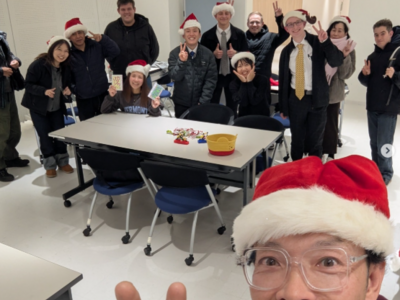
Join Bizan Daigaku, a local NPO in Tokushima City.
Volunteers help care for city plants, read English books to elementary students, play with kindergarten and elementary kids, visit elderly people, join our radio program, language exchange with locals, assist cooking at school events, help clean the river and more activities.
Depending on the season, you can also experience Japanese traditions like mochi making, hanami, hanabi festival, etc.
What you offer
24 hours of help per week
Gardening:
Help grow plants and cultivate gardens
Elderly Care:
Assisting and spending time with the elderly.
Child Care:
Caring for, playing with, and spending time with children.
Social Work:
Help with volunteer work in local projects and communities.
What you get
1 day off per week
Shared Dorm:
You will have a bed in a shared room, which means you will share the same room with other travelers.
Lunch:
You are entitled to a free lunch, every day of your stay.
Dinner:
You are entitled to a free dinner, every day of your stay.
Free Laundry:
You can use our laundry room freely.
Bikes at your disposal:
You can use our bikes any time you want.
Pick Up:
We will pick you up when you arrive, and take you to our property.
Language lessons:
Take free language classes at our place.
Use our equipped kitchen:
Feel free to use our kitchen and make your own delicious food.
Basic Internet Access:
Basic speed internet for you to work remotely
Requirements
Beginner Japanese or Intermediate English
Over 18 years old
Only hosts solo volunteers (doesn’t accept couples or partners)
What's not included
Flights, Travel Insurance, Internal Transportation and Visa
Program Details
Our activities focus on helping the community while giving volunteers the chance to experience everyday life in Japan.
Volunteers participate in different activities depending on the day and the season. One of our regular activities is helping take care of plants and green areas around the city. This includes watering flowers, cleaning small parks, and helping maintain community gardens so local neighborhoods stay beautiful.
Another important activity is visiting local kindergartens and elementary schools. Volunteers usually play simple games with the children, introduce basic English words through songs or flashcards, or read short English storybooks to elementary students. The goal is not formal teaching, but creating a fun and friendly environment where children can interact with international volunteers.
We also visit elderly care homes where volunteers spend time with residents by talking, playing simple board games, or participating in small recreational activities.
Bizan Daigaku also runs a small community radio program where volunteers can sometimes join the broadcast, talk about their culture, or experiences living in Japan.
Language exchange events are another common activity. Volunteers meet with local Japanese residents who want to practice English while sharing Japanese language and culture.
During school events or community festivals, volunteers may help prepare simple food, assist with event setup, or support cultural workshops.
We also participate in environmental activities such as cleaning sections of the local river with community members.
Depending on the season, volunteers can experience traditional Japanese cultural activities such as mochi making, cherry blossom viewing (hanami), summer fireworks festivals, and other local celebrations.
Activities & Shift
The activities are shared among all volunteers participating in the program at that time. Because of this, the workload is balanced and usually light. On average, volunteers participate around 4 hours per day, although some days may include additional activities depending on community events or the season.
Morning Activities
7:15 AM – 8:00 AM | Hatafuri (Flag Waving for Children’s Safety)
Volunteers stand near school streets and intersections while waving safety flags to guide children safely to school. This activity is common in Japan and helps drivers slow down while children cross the street. It is a simple but important way to support the local community and protect students on their way to school.
8:15 AM – 9:45 AM | Plant Care & City Beautification
Volunteers help take care of flowers and plants around the city. Activities may include watering flowers, removing weeds, cleaning small parks, and helping maintain green spaces so that the neighborhood remains clean and beautiful.
9:45 AM – Afternoon | Break Time
After the morning activities, volunteers usually take a break to rest, eat, or explore the city.
Afternoon Activities
1:00 PM – 5:00 PM | Visiting Schools & Playing with Children
Volunteers visit kindergartens or elementary schools to interact with children.
Elderly Home Visits
Spend time with elderly residents by talking, playing simple board games, or joining recreational activities.
Environmental Activities
Participate in river cleaning and community environmental projects.
All activities are shared among the volunteers, so the schedule can vary depending on how many people are participating and what community activities are happening that day. Every day is a different place so one day is just one hour, another 2 hours, etc.
Rules
Volunteer Rules
Attend scheduled activities and inform the coordinator in advance if you cannot attend.
Be punctual and arrive on time for all activities and meetings.
Respect all places you visit, including schools, community centers, elderly homes, and public spaces.
Be respectful to children, teachers, elderly residents, and local community members.
Maintain a positive and cooperative attitude with other volunteers and staff.
Keep the apartment clean and organized, including common areas such as the kitchen, bathroom, and living room.
Clean up after yourself when cooking, eating, or using shared spaces.
Respect quiet hours in the accommodation, especially at night.
Do not damage furniture, equipment, or facilities provided by the program.
Follow Japanese community norms and cultural etiquette when participating in local activities.
Dress appropriately when visiting schools, community centers, or official activities.
Avoid excessive alcohol consumption during program activities or when representing the organization.
Respect other volunteers’ space and privacy in the shared accommodation.
Communicate openly if you have any problems, questions, or concerns.
These rules help ensure a safe, respectful, and enjoyable experience for everyone involved in the program and the local community.