Coral Reef Cataloging Volunteer | Gili Nanggu Marine Research 🪸
The experience
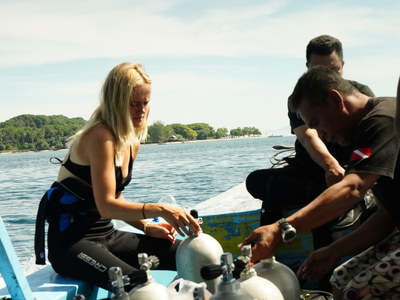
Join our marine research team in Gili Nanggu, Lombok, and gain hands-on experience in coral reef fieldwork and underwater documentation. You will help catalog coral reef communities through guided snorkeling and scuba activities, underwater photography, species observation, and field documentation under the guidance of our local researcher.
What you offer
18 hours of help per week
Social Work:
Help with volunteer work in local projects and communities.
Additional fee required
Amount:
US$ 55
Per day
Fee pays for:
Benefits for travelers, Materials for volunteer activities, and Donation to project
Description:
The $55/day contribution covers accommodation, 3x meals, research materials, local field support, and a contribution to the community research project. It helps us provide a safe and practical base while you assist with community interviews in Gili Nanggu. Your contribution supports research activities and local project costs.
What you get
3 days off per week
Private Room:
You will have a bed in a private room. In other words, a room just for you.
Breakfast:
You are entitled to a free breakfast, every day of your stay.
Lunch:
You are entitled to a free lunch, every day of your stay.
Dinner:
You are entitled to a free dinner, every day of your stay.
Use our equipped kitchen:
Feel free to use our kitchen and make your own delicious food.
Certificate:
Get a certificate of completion after you finish your experience.
Requirements
Intermediate English or Intermediate French
Between 18 and 45 years old
Welcomes solo volunteers, couples, and partners of volunteers
Be from outside Indonesia
European Union Passport
United States visa or citizenship
Travel insurance
What's not included
Flights, Travel Insurance, Internal Transportation and Visa
Program Details
Join our marine research team in Gili Nanggu, Lombok, and gain hands-on experience documenting coral reef ecosystems through field observation, underwater photography, and coral cataloging.
🤿 Coral Reef Fieldwork
You will assist our local researcher with guided snorkeling and scuba-based observations, depending on your experience and certification. Activities may include identifying coral groups, documenting coral colonies, recording reef conditions, photographing underwater sites, and organizing field observations.
📸 Research & Documentation
Learn how researchers document marine ecosystems while contributing photographs and field records to an ongoing coral reef catalog. You will receive guidance on basic observation, documentation, and responsible underwater practices.
🌊 Marine Conservation Experience
The program provides an opportunity to understand coral reef ecosystems while experiencing Gili Nanggu's marine environment. Your field activities contribute to building ecological records that can support long-term conservation and monitoring.
🔬 Researcher-Guided Experience
No previous research experience is required. You will work under the guidance of our local researcher and follow established field procedures. Volunteers assist with data collection and documentation; scientific analysis, interpretation, and research conclusions remain the responsibility of the research team.
🌴 Your Stay
You will stay in a private room and receive three simple meals per day. You will have 4 days of research activities and 3 days of free time each week, giving you plenty of time to explore Gili Nanggu and Lombok.
This program is ideal for students, divers, underwater photographers, and travelers interested in marine conservation, coral reefs, and biodiversity.
Activities & Shift
🪸 Days 1–4 — Coral Reef Cataloging
Morning Shift: 09:00–11:00
🤿 Meet the research team and review the day's fieldwork
🪸 Learn basic coral identification and cataloging procedures
📍 Travel to selected reef locations
📸 Conduct underwater observation and photography
🔎 Record coral and reef observations
🌊 Document visible environmental conditions
Afternoon Shift: 14:00–16:00
📸 Continue underwater documentation when conditions allow
🪸 Review photographs and field observations
📋 Organize field records and catalog entries
📍 Check location and site information
🔬 Discuss observations with the local researcher
🌴 Days 5–7 — Free Time
Enjoy 3 full days off each week to relax, snorkel, explore Gili Nanggu and Lombok, experience local culture, or arrange your own activities.
🤿 Volunteers interested in learning scuba diving may have the opportunity to participate in introductory diving activities. Scuba certification is optional and available separately at an additional cost.
Important: Field activities depend on weather, tides, visibility, sea conditions, research requirements, and participant ability. Volunteers must follow the research team's instructions at all times.
Rules
🪸 Respect the Reef
Never touch, stand on, collect, break, or damage coral or marine life.
🤿 Follow Diving & Snorkeling Safety Rules
Follow all instructions from the dive and research team and remain within your ability and certification level.
📸 Research Documentation
Do not delete, alter, or manipulate research photographs, field records, GPS information, or observations.
🔬 Data Integrity
Do not guess, fabricate, or change observations to fit expectations.
🔒 Research Confidentiality
Do not share research data, photographs, GPS locations, or unpublished findings without permission from the research team.
🌊 Environmental Responsibility
Avoid disturbing marine organisms and follow responsible snorkeling and diving practices.
🤝 Respect Local Communities
Respect local people, cultural practices, fishing activities, and community rules.
🧑🔬 Work Under Supervision
Volunteers assist with field data collection and documentation. Research analysis, interpretation, and academic conclusions remain the responsibility of the research team.
📅 Be Flexible
Research activities may change according to weather, tides, visibility, sea conditions, and research requirements.