Practice English, Exchange Cultures & Agricultural 🌽 | West Java
The experience
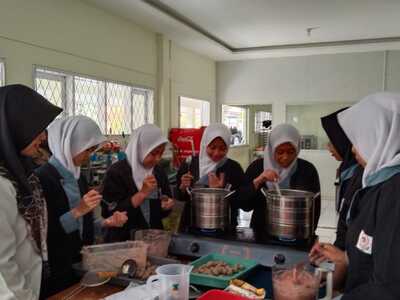
Our school is a vocational high school located in Cianjur Regency, West Java Province. We are seeking assistance with cultural exchange and English communication practice with native speakers. In addition, we offer hands-on projects in layer or broiler chicken farming, vegetable cultivation, and making various snacks produced by our students.
What you offer
5 hours of help per day
Social Work:
Help with volunteer work in local projects and communities.
Farming:
Plant crops, sow seeds and help in outside tasks.
Gardening:
Help grow plants and cultivate gardens
What you get
2 days off per week
Private Room:
You will have a bed in a private room. In other words, a room just for you.
Breakfast:
You are entitled to a free breakfast, every day of your stay.
Lunch:
You are entitled to a free lunch, every day of your stay.
Dinner:
You are entitled to a free dinner, every day of your stay.
Get free drinks or beverages.:
Drink up! Get free and tasty drinks for yourself.
Free Events:
Get free entrance for the best events in town.
Bikes at your disposal:
You can use our bikes any time you want.
Language lessons:
Take free language classes at our place.
Use our equipped kitchen:
Feel free to use our kitchen and make your own delicious food.
Fast Internet Access:
High-speed internet for you to work remotely
Requirements
Intermediate English
Over 18 years old
Welcomes solo volunteers, couples, and partners of volunteers
European Union Passport
United States visa or citizenship
What's not included
Flights, Travel Insurance, Internal Transportation and Visa
Program Details
A one-week cultural and language exchange program at the high school provides exceptionally strong mutual benefits. The key is to position students and native-speaking guests not as rigid teachers and students, but as collaboration partners in real-world projects at the school and within the surrounding community.
Below are the most beneficial outcomes expected from this program for both parties:
Main Benefits for Students
1. Boosting Confidence (Breaking the Language Barrier): Students are often afraid of making grammar mistakes. Interacting directly in relaxed situations—such as cooking together or tending to livestock—forces them to focus on conveying their message so that shyness and awkwardness quickly fade away.
2. Real-World Practice of English for Specific Purposes (ESP): Students do not just learn general daily conversation; they directly practice technical vocabulary specific to their majors. For instance, Agribusiness Processing Agricultural Products (APHP) students explain the snack-making process in English, or Agriculture students explain the technical aspects of vegetable cultivation and chicken farming.
Main Benefits for Travelers
1. Authentic Rural Cultural Immersion Experience: Foreign travelers stay near local residents in Cikalongkulon and tasting traditional Sundanese culinary delights provides a warm, genuine community living experience that is hard to find elsewhere.
2. Hands-on Learning in Practical Skills: Travellers directly involved in layer or broiler chicken farming projects, vegetable cultivation, and processing snack products alongside students offers deep satisfaction as they acquire new skills.
Activities & Shift
Day 1: Local welcome ceremony, interactive introduction and ice breaking, school touring and casual conversations
Day 2: Poultry farming experience such as feeding, checking the coop conditions, or harvesting eggs together with students from the Livestock Agribusiness major.
Day 3: Green farming and harvest such as planting seedlings, caring for crops, making organic fertilizer, or harvesting vegetables together with students from the Crop Agribusiness major.
Day 4:Making various signature student snacks (such as spicy kaffir lime leaf chips or other local delicacies) from ingredient preparation to packaging.
Day 5: Making short videos (vlogs/Reels) together about the fun activities throughout the week, Sundanese food reviews, or a Sundanese vs. English language challenge.
Day 6 and 7: Free or visiting tourism objects and having local culinary
Rules
To help you blend in comfortably with our students, teachers, and local villagers in Cinangsi, please observe the following local customs and guidelines:
1. Modest Dress Code
Cianjur is a culturally traditional and religious community that values modesty in daily attire, both on school grounds and in the surrounding village.
Cover Shoulders and Knees: Please wear modest, comfortable clothing that covers your shoulders down to your knees (e.g., sleeved T-shirts, collared shirts, long pants, jeans, or below-the-knee skirts) while at school and walking around the neighborhood.
Avoid Revealing or Tight Clothing: Tank tops, short shorts, and sheer clothing should be avoided in public areas and during school activities.
Footwear Etiquette: Always remove your shoes or sandals before entering a local resident’s home, certain school practice rooms, and prayer spaces (mosques/musholas).
2. Social Interaction & Greetings
Smile and Greet (Someah): Locals are friendly and often greet visitors warmly. A simple smile, a slight nod, or using local Sundanese greetings like "Punten" (excuse me, especially when walking past someone) and "Hatur nuhun" (thank you) will be deeply appreciated.
Physical Contact with the Opposite Gender: As the majority of our students and community members are Muslim, please avoid initiating hugs, cheek kisses, or casual physical contact with members of the opposite gender (including students and teachers).
3.If a local host offers you tea or traditional snacks, accepting and tasting even a small portion is considered a gesture of high respect. If you have dietary restrictions or allergies, please let the school coordinators know in advance so we can accommodate you comfortably.Consuming alcohol is strictly prohibited on school grounds or your home