Live in the forest || Cooking, cleaning, gardening, art.
The experience
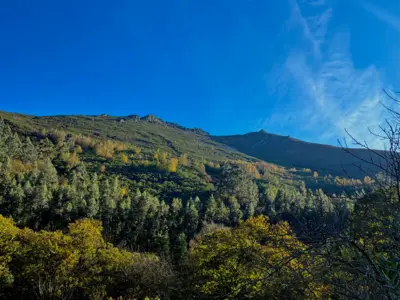
Come and live with us in a space and at a pace fertile for creativity and expression, open to exchange and collaboration, respectful of the cycles of nature … contemplative. We are not in a hurry nor pursuing productive ends: we are learning gardening and construction by listening to the knowledges we encounter. We seek support in cooking, cleaning, caring for common spaces, and forest tasks. Between the river and the mountain, being, becoming.
What you offer
18 hours of help per week
Cooking:
Choose the menu, pick ingredients and cook delicious dishes.
Cleaning:
Help clean the kitchen, bedrooms, bathrooms and common areas.
Gardening:
Help grow plants and cultivate gardens
What you get
3 days off per week
Shared Dorm:
You will have a bed in a shared room, which means you will share the same room with other travelers.
Team Dorm:
You will have a bed in a shared room, which means you will share the same room with other people.
Tent:
You will sleep in a tent at a camping site.
Breakfast:
You are entitled to a free breakfast, every day of your stay.
Lunch:
You are entitled to a free lunch, every day of your stay.
Dinner:
You are entitled to a free dinner, every day of your stay.
Free Hiking Tours:
We’ll take you on excursions and hikes around town. For free!
Pick Up:
We will pick you up when you arrive, and take you to our property.
Use our equipped kitchen:
Feel free to use our kitchen and make your own delicious food.
Basic Internet Access:
Basic speed internet for you to work remotely
Requirements
Beginner Spanish or Intermediate English
Between 18 and 40 years old
Welcomes solo volunteers, couples, and partners of volunteers
Travel insurance
What's not included
Flights, Travel Insurance, Internal Transportation and Visa
Program Details
Our pace and collaboration (max. 18 hours per week)
We are two permanent residents and, depending on the season, we welcome friends, artists, or passing travelers, so the dynamics of the house is organic and adapts to who is living there. All this approach —with a clear exchange and a light pace, without rush or productive ends— exists to open a real space for contemplation, reflection, conversation, and the possibility of imagining a different way of living from the model proposed by a capitalist, productive, and urban system full of cement. That is the direction of the project: we do not expect anyone to have to be creative nor to force themselves to converse, but there should be space and calm for anyone who wishes to find it and inhabit it.
We have a gas kitchen well equipped to cook with comfort, however, we are far from the first populated area: we take care of the shopping (there are no restaurants or home deliveries here). Therefore, cooking and keeping the house clean are constant pillars of daily life, and both the cooking shifts and the cleaning shifts count within the maximum of 18 hours per week.
1. Meals and cooking
- Community meal: Almost every day one person takes care of preparing a homemade, nutritious and abundant meal, except for some days when leftovers from the previous day are used. This shift counts toward your weekly hours.
- Breakfasts and dinners: They are included and prepared at free times. As part of natural coexistence (outside the hours calculation), each person washes the dishes they use for breakfast or dinner and helps maintain basic order.
- To the extent possible we will adapt to everyone's diets, prioritizing local organic ecological products. And although it seems unnecessary to mention it, we will share the harvest from the garden! Thank you Pachamama.
2. General cleaning and space care
- Daily cleaning shift (approx. 2–3 hours): Each day one person handles general cleaning and the order of the common areas, care of the dry toilet, keeping the firewood ready and ensuring that the shared spaces feel light and pleasant for everyone. Like the kitchen, this shift counts within the 18 hours per week.
3. Schedules, weekly organization and exterior tasks
- Weekly meeting and flexibility: There is always room to dialogue and adjust how schedules and shifts are distributed among the group living in the house at any moment. Once a week we hold an organizational meeting —which counts within your collaboration hours— to share how we are doing, distribute the tasks for the week and review any needs of the place or of living together.
- Reference slots: The usual activity hours are 11:00 to 14:00 and 17:00 to 19:00. From Tuesday to Friday mornings is when I can ask for your collaboration in the garden, gardening, gathering firewood, small agricultural constructions or maintenance of organic spaces.
- The weather rules (Asturias): It rains here frequently. If one day it's raining and you can't go out to work, those hours are simply lost: they do not accumulate nor do they need to be recovered another day. In the end this is a volunteer program and a space of life, not a productive project.
- Adjustment according to who is here: If we are few and you get more cooking or cleaning shifts, the days between Tuesday and Friday when I ask for external support are reduced, so that the 18 hours weekly limit is never exceeded (and if that day you already covered your cooking or cleaning shift, you have already fulfilled your day).
- What is asked vs. what arises: What we offer —living in the forest, the house, the three meals and the transportation/logistics of shopping— is exchanged for that maximum of 18 hours in the program agreements. Outside of those hours you can collaborate in gardening or in what motivates you if you feel like it, but you will never be asked as an obligation nor as part of the exchange.
Activities & Shift
How shifts are organized (max. 18h/week)
We don’t have a rigid routine, but we move within two reference windows (11:00–14:00 and 17:00–19:00) and we adapt each week in our organizational meeting according to how many people are in the house and the weather in Asturias.
Daily rotating shifts (1 person per role per day):
• Kitchen Shift: Prepare the day’s community main dish (nutritious vegetarian base such as stews, rice, or pastas, with option to add protein). Breakfasts and dinners are free and everyone washes their own dishes.
• Cleaning and Space Shift (approx. 2–3 h): General cleaning of common areas, maintenance of the dry toilet and provisioning of firewood for the day.
Exterior support (Tuesday to Friday mornings):
• If that day you don’t have a cooking or cleaning shift, we can ask you for support in the garden, gardening, gathering firewood or small agricultural constructions.
• If it rains and you can’t go out, the hours are not recovered.
Note: Everything is done at a calm pace. If we are few in the house and you have more cooking/cleaning shifts, exterior support days are reduced to never exceed the 18 hours.
Rules
Coexistence and mutual care agreements
To keep this space a quiet, safe and fertile refuge for contemplation and encounter, we rely on basic and non-negotiable agreements:
• Zero tolerance to violence: No act or attitude of violence that harms the physical or psychological integrity of anyone who resides or visits the place will be tolerated.
• Discrimination-free space: There is no room for machismo, misogyny, xenophobia, racism, homophobia, or any other form of discrimination or hate speech.
• Respectful treatment and listening: We seek a kind, honest and empathetic coexistence, respecting both conversation times and moments of silence and solitude of each person.
• Care for the environment and ecological products: We make conscious use of water, energy and common spaces (leaving clean what we use). To protect the land and waters of the forest, here we only use ecological and biodegradable personal hygiene and cleaning products.
• Medical insurance: Because we are in a rural forest environment and far from urban areas, it is essential to have valid medical insurance or health coverage during your entire stay.